Research & invited talks
At Stanford, Exploring Companionship Without Giving Up Control
Chorong Park's invited talk and research conversations explored how companion robots can respect older adults' choices, preferences, and changing boundaries.
Original LinkedIn post:
Published on ELARA:
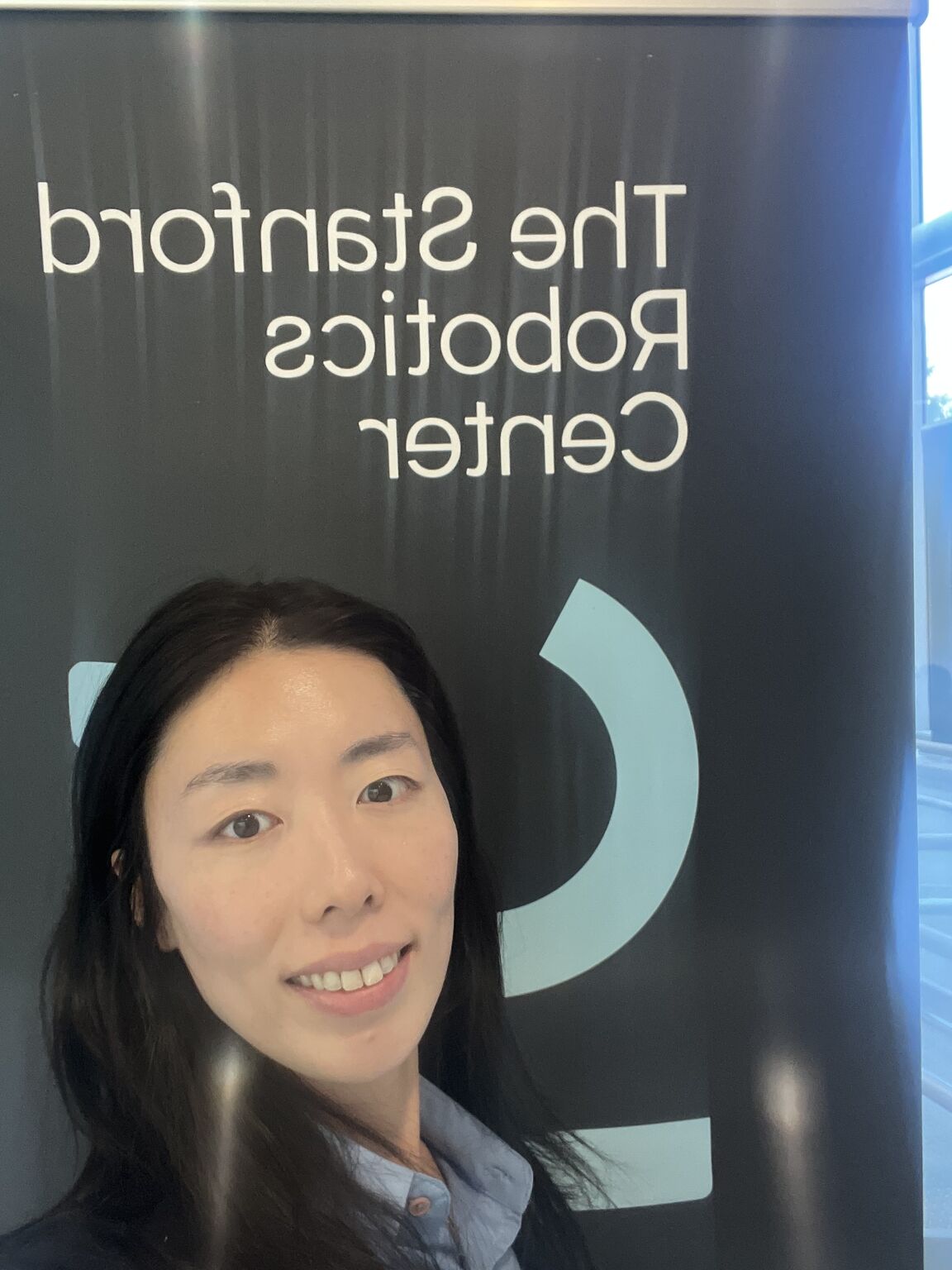
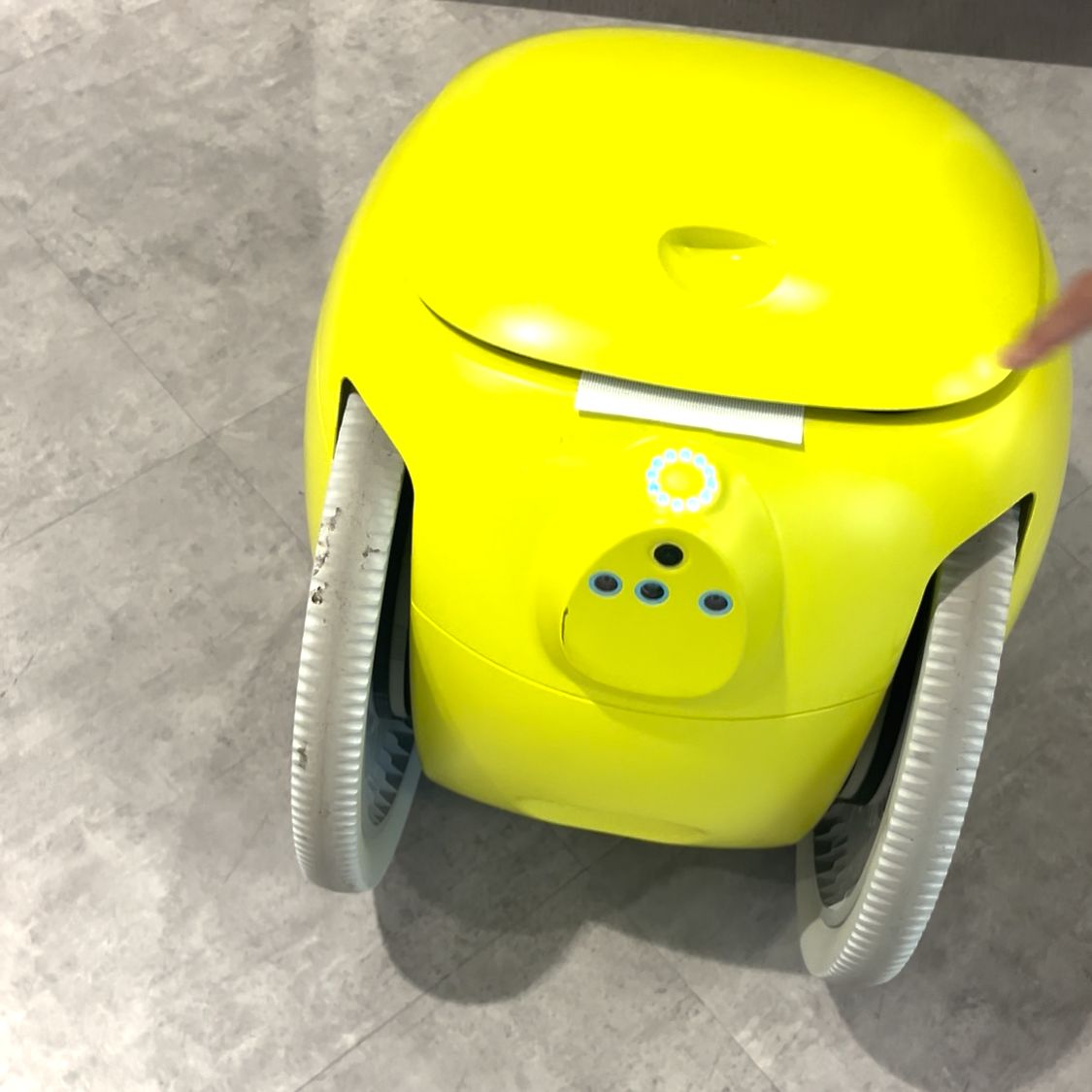
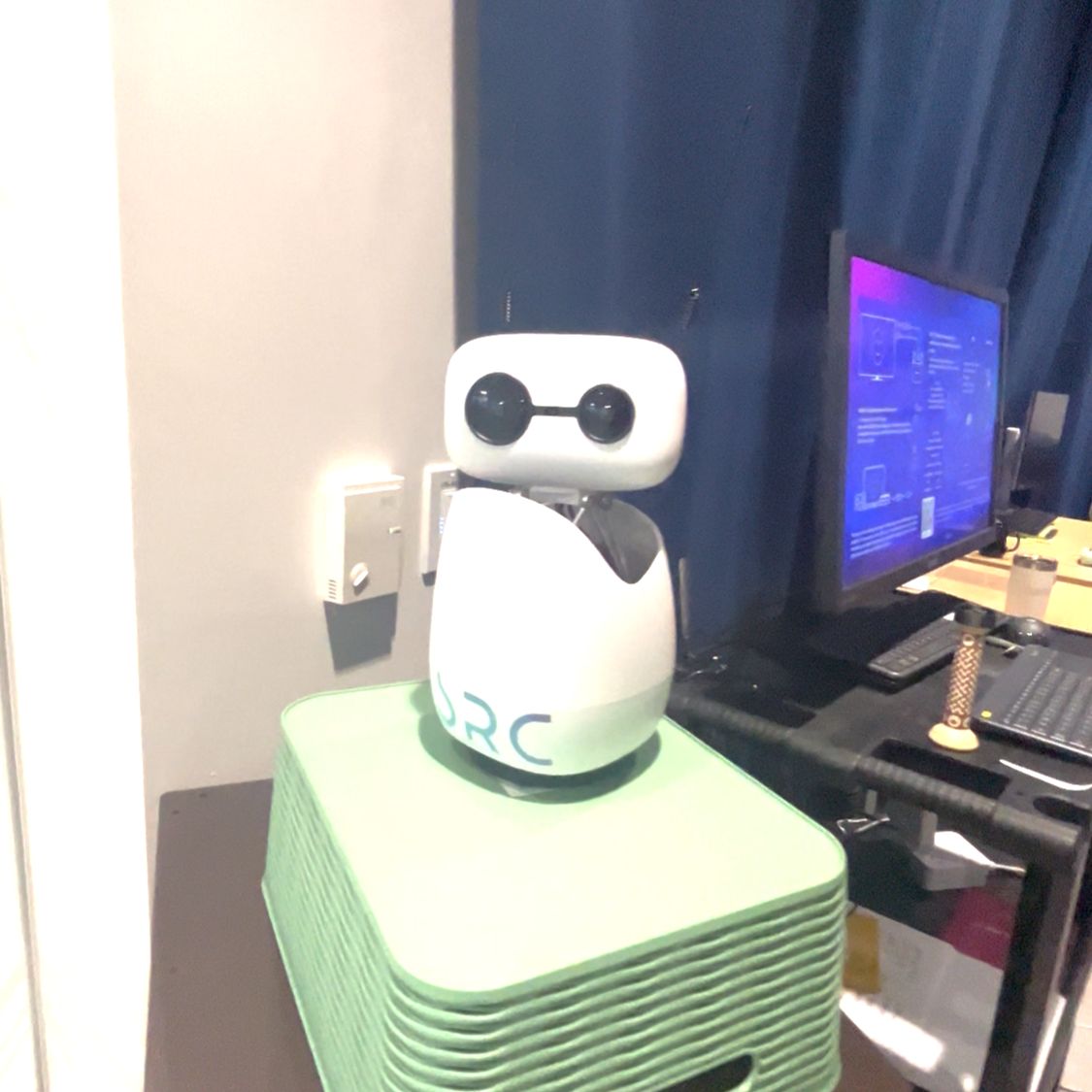
Chorong Park brought ELARA's community-engaged research to the Stanford Robotics Center on October 12, 2026, for an invited talk, "When Robots Feel Like Companions: Designing Trust and Agency with Older Adults." The visit connected older adults' experiences with questions about how robots behave and how people understand them. [1][2]
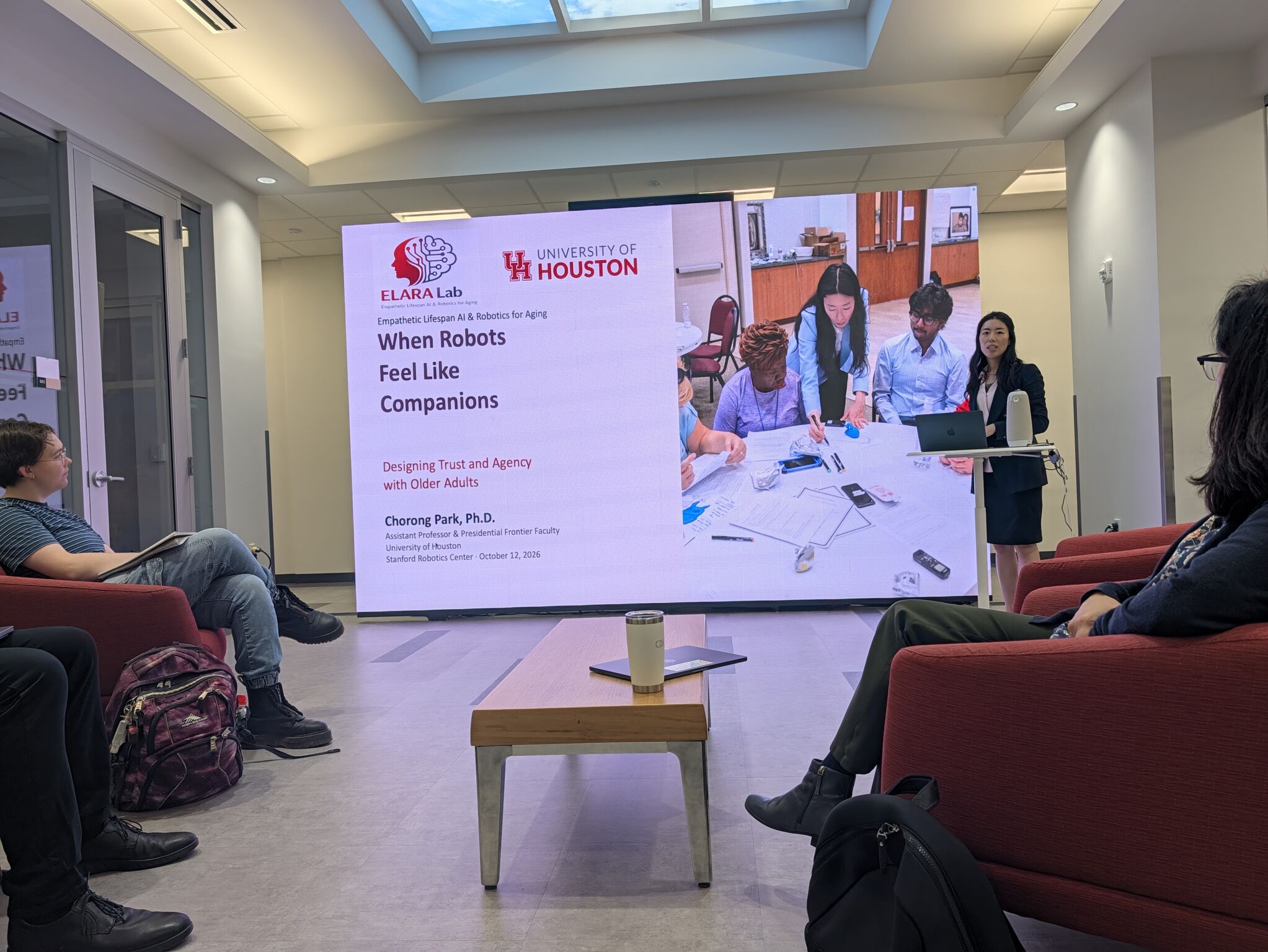
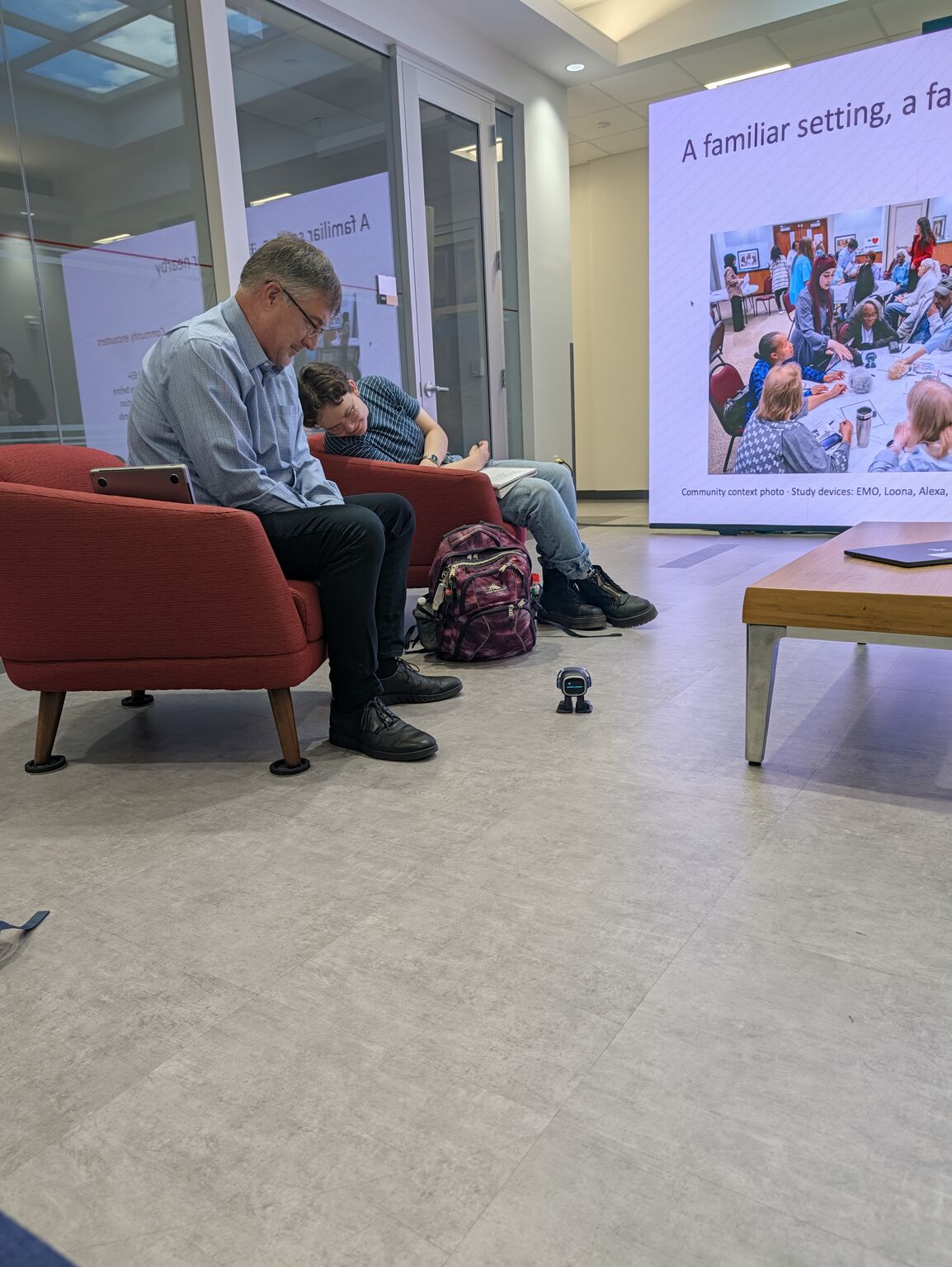
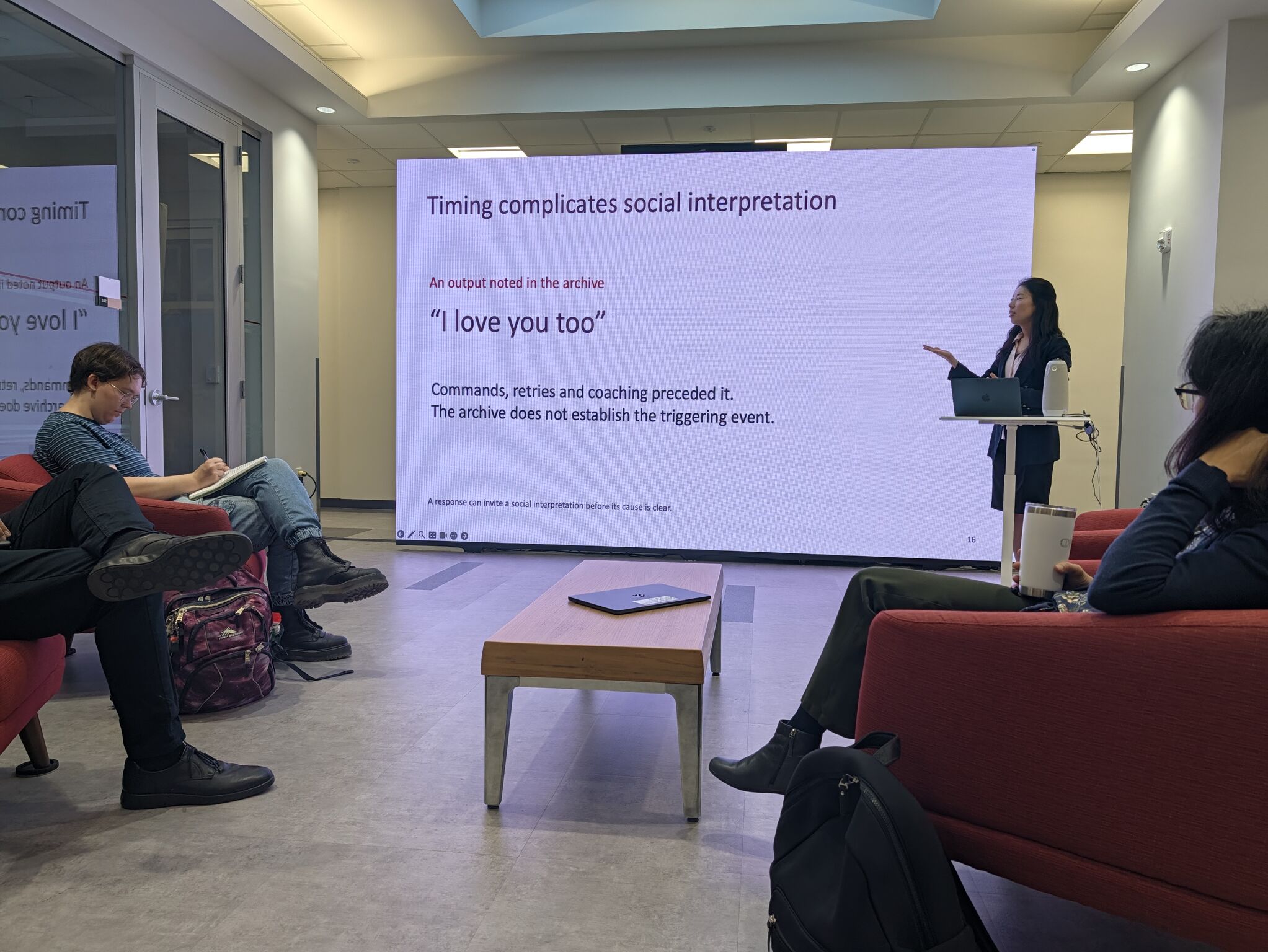
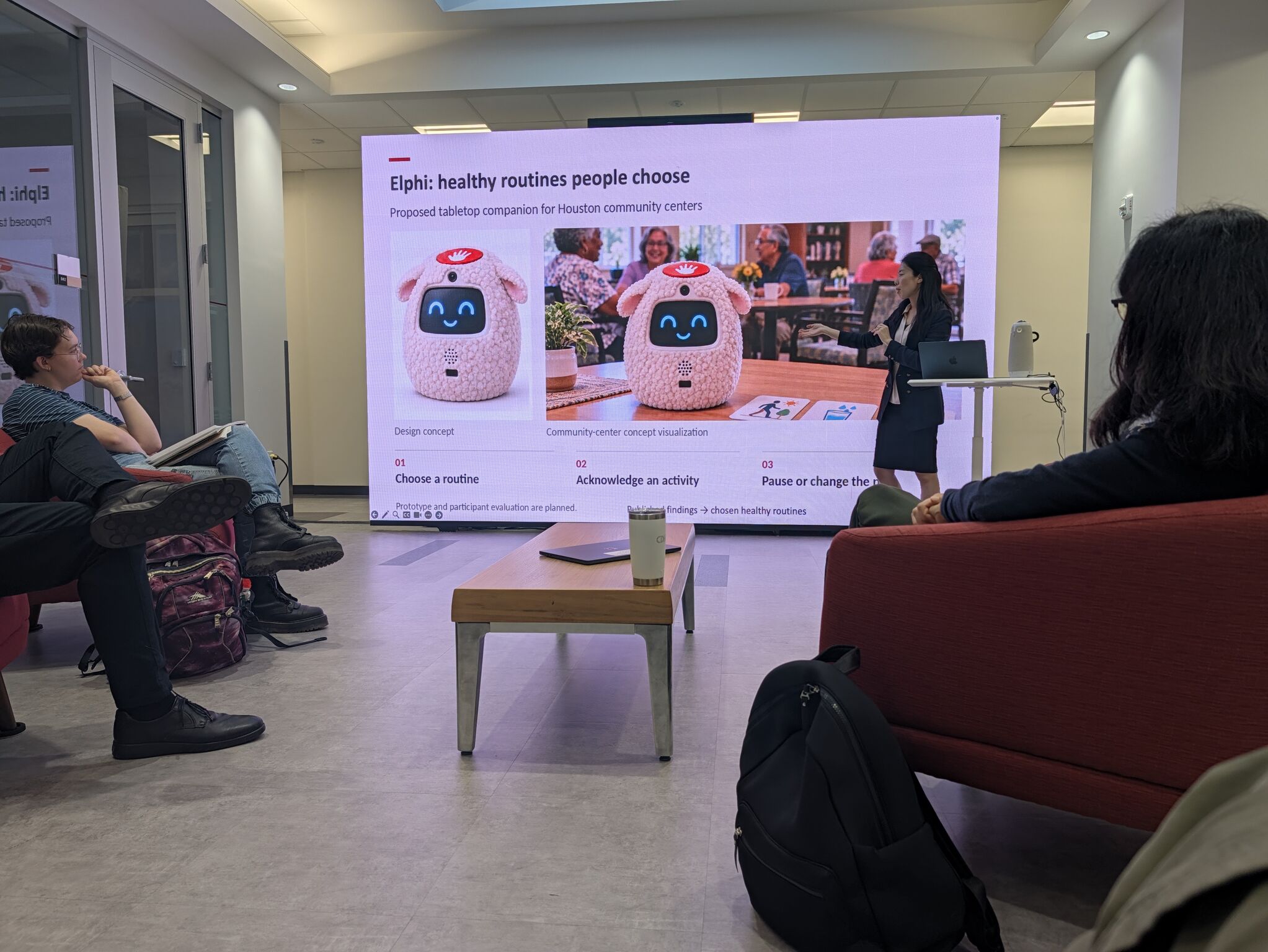
Park asked how a robot might support a meaningful relationship while leaving people free to question it, redirect it, or walk away. Her seminar connected emotional connection with privacy and autonomy. The practical design challenge is not simply making a robot feel friendly, but keeping its behavior understandable and its assistance optional. [1][2]
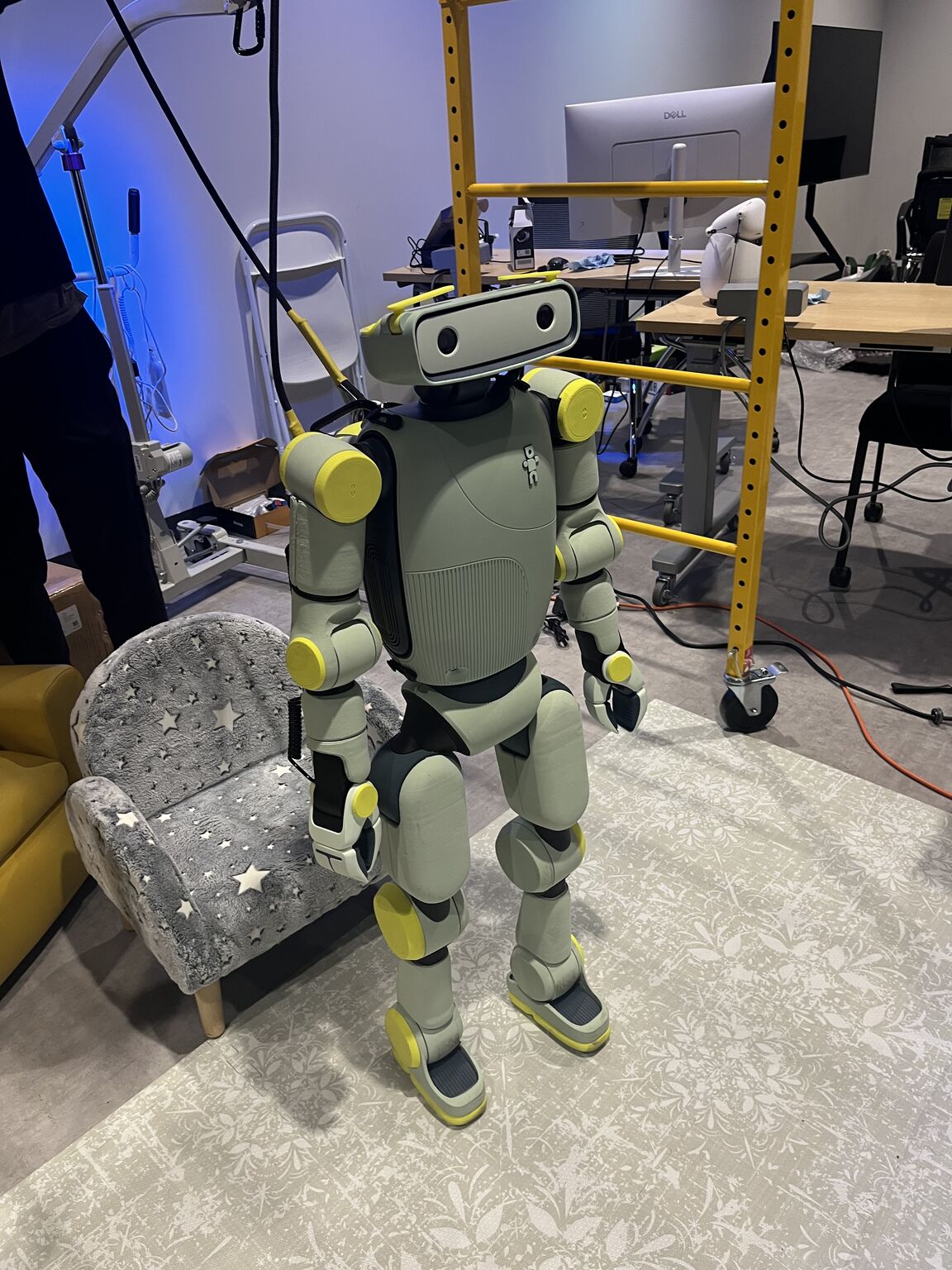
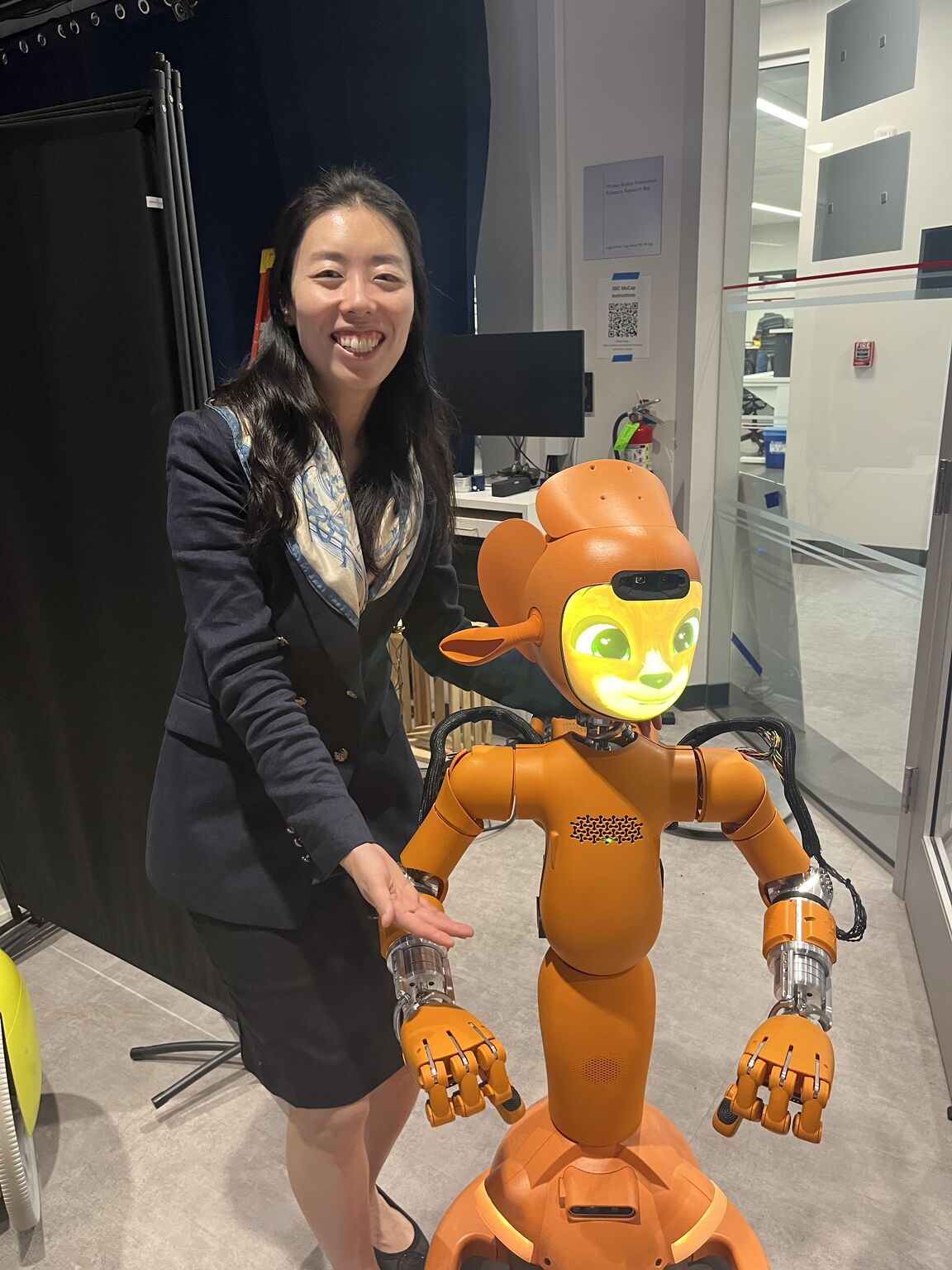
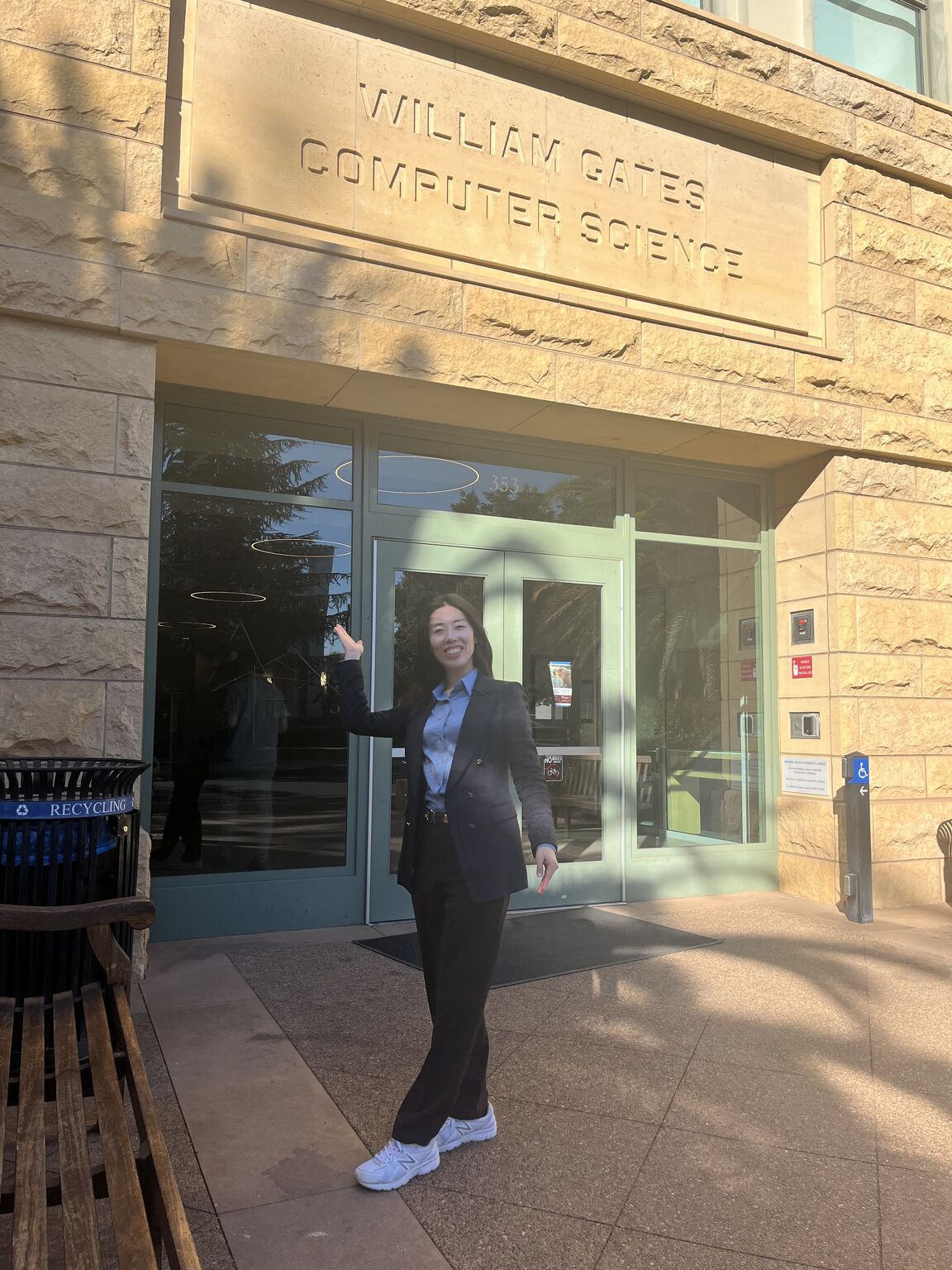
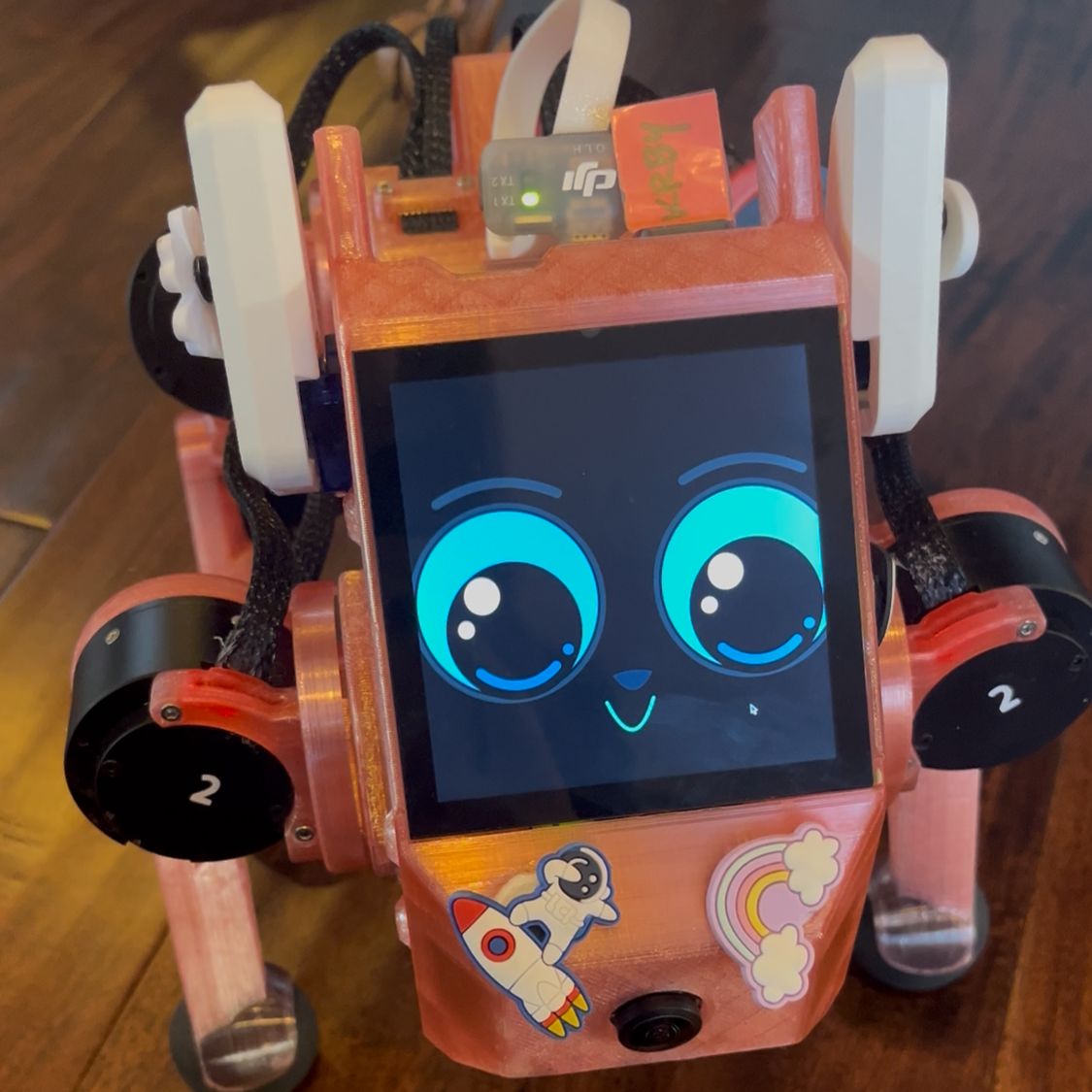
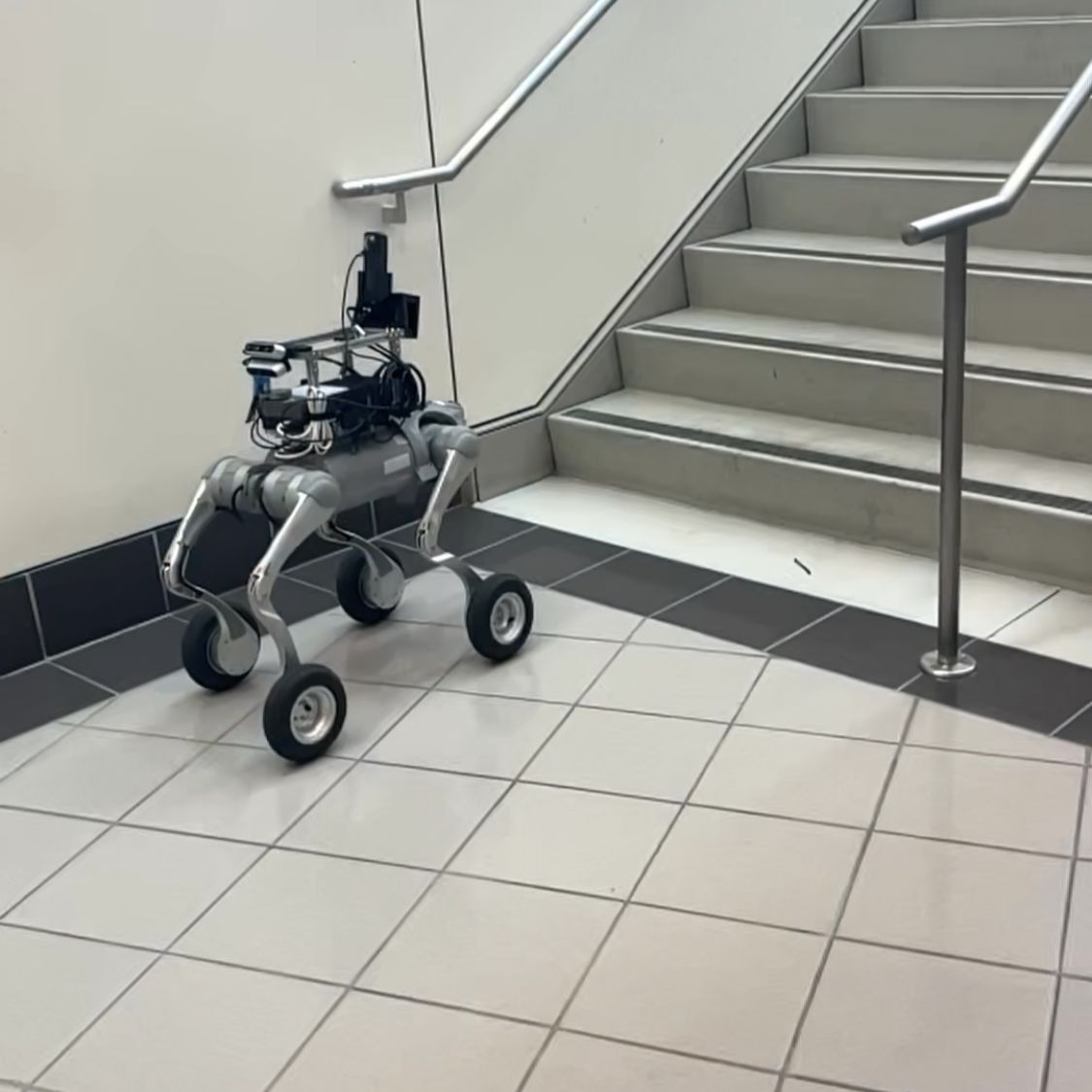
In her October 21 reflection, Park described conversations about the developing Pupper collaboration and how robot personalities and interaction styles might fit older adults' preferences. Exchanges with Stanford researchers also explored how everyday needs could inform useful robot capabilities, rather than starting with technology and looking for a use afterward. [1]
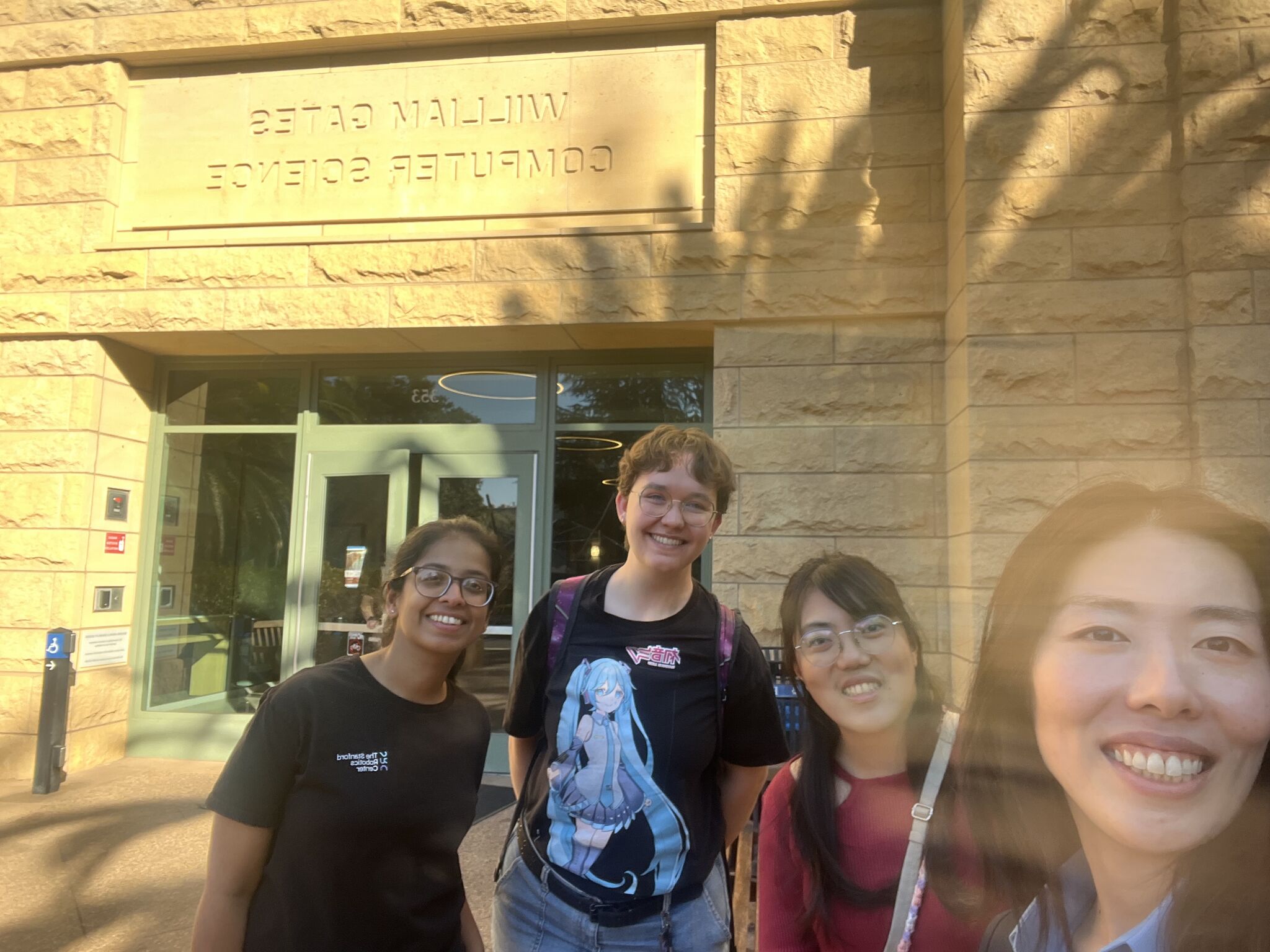
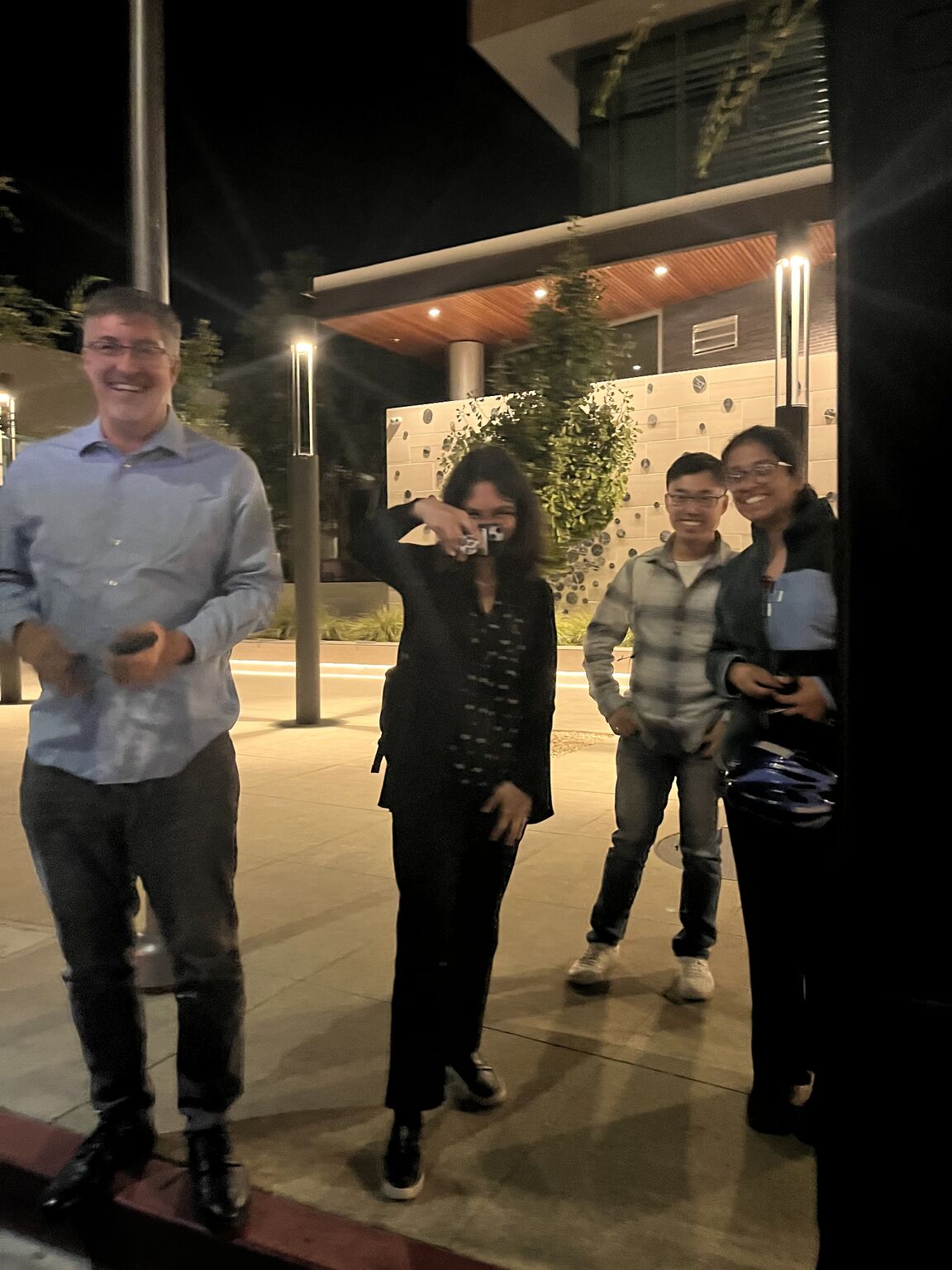
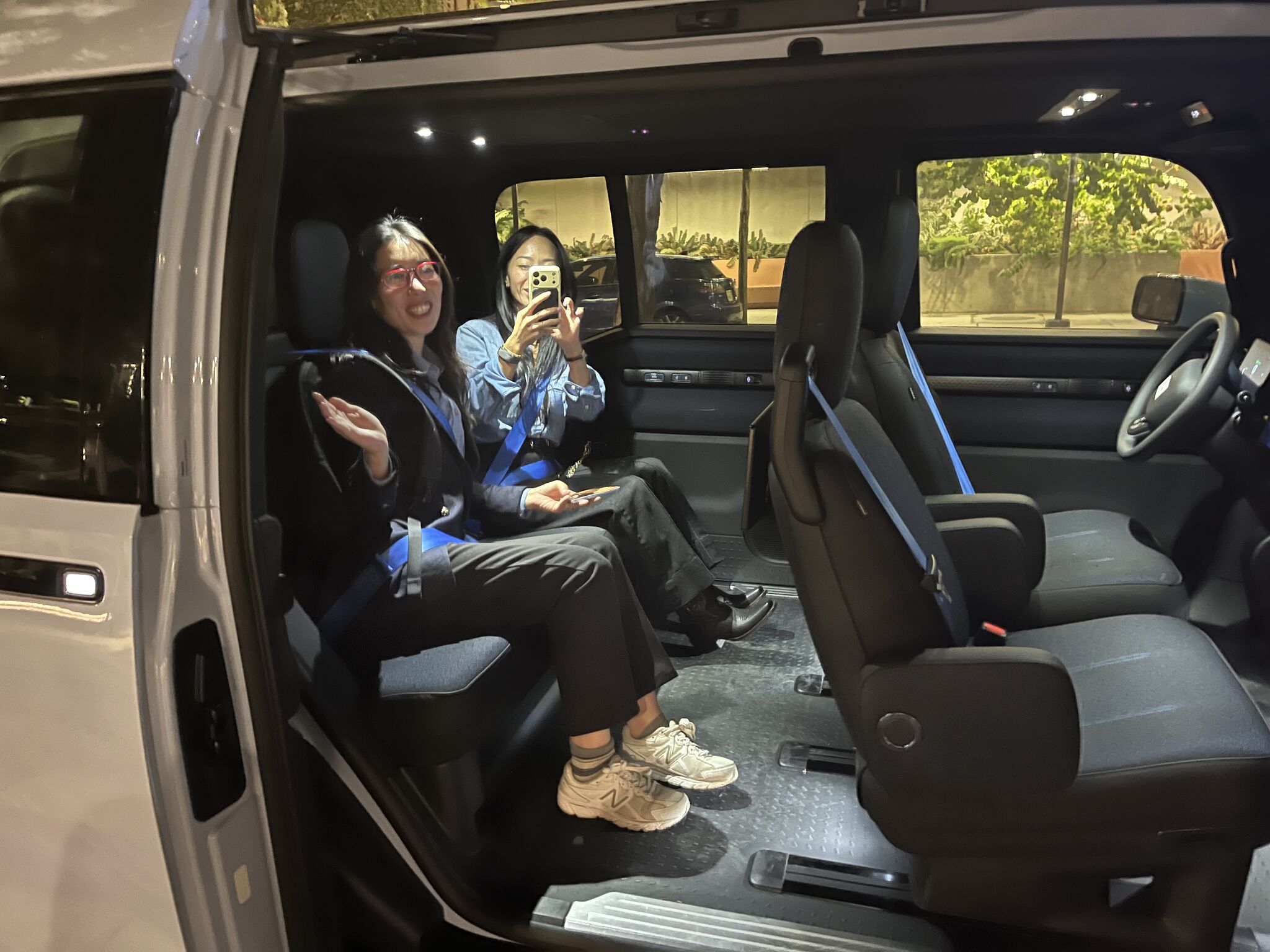
Park also reported visiting the Palo Alto VA Hospital Simulation Center and discussing potential collaborations around aging, cognitive health, and human-centered technology. These were exploratory conversations connecting design, engineering, and clinical perspectives, not announcements of completed studies or established health benefits. [1]
Sources
Adapted from Chorong Park's LinkedIn post. LinkedIn images are presented in their original order.